

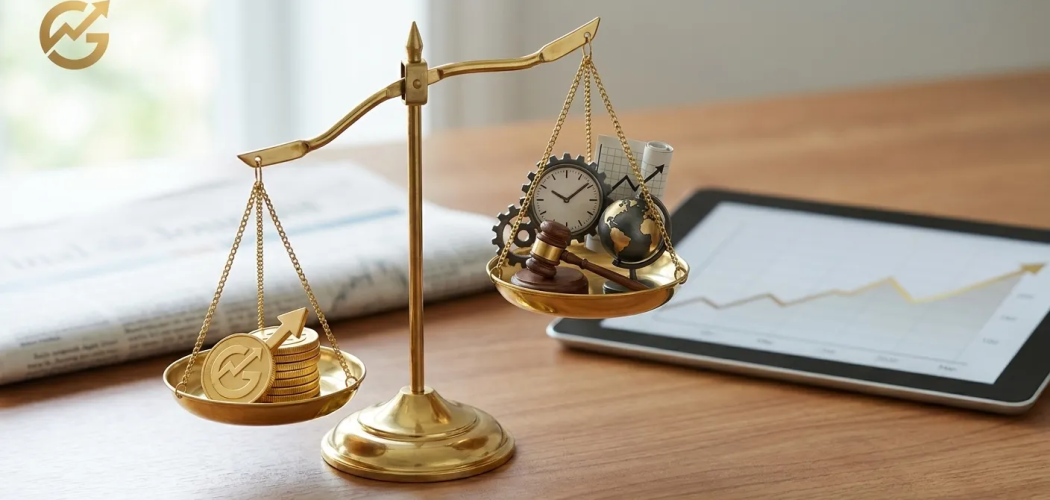
Gold’s value isn’t a mystery; it’s a response to the global economic pulse. For retail investors like you, understanding how economic indicators gold price movements are connected is crucial. It empowers you to see beyond daily fluctuations and grasp the bigger picture, making more confident decisions for your portfolio.
At Gold Price Trader, we believe that informed investing starts with clear, jargon-free insights. Consequently, we break down the key economic signals that often dictate gold’s direction, transforming complex data into actionable knowledge. This guide will help you understand the forces at play.
What Are the Key Economic Indicators Gold Price Reacts To?
Gold has a unique relationship with various economic forces. Think of it as a barometer for market sentiment and stability. Therefore, every gold investor should be aware of these primary indicators.
Inflation Reports: The Cost of Living’s Influence
When prices for goods and services rise steadily, this phenomenon is known as inflation. Inflation erodes the purchasing power of traditional currencies. Historically, gold has been seen as a reliable store of value. This makes it an attractive hedge against inflation. Reports like the Consumer Price Index (CPI) and Producer Price Index (PPI) are critical here. A surge in these numbers often sends investors flocking to gold, driving its price higher as they seek to preserve wealth. In fact, many consider gold a primary tool for wealth preservation during inflationary periods.
Interest Rates: The Opportunity Cost Factor
Central banks, such as the U.S. Federal Reserve, adjust interest rates to manage the economy. When interest rates rise, holding interest-bearing assets, like bonds or savings accounts, becomes more appealing. Since gold doesn’t pay interest or dividends, higher rates increase the ‘opportunity cost’ of holding gold. Conversely, lower interest rates make gold more attractive, as the return on other assets diminishes. Consequently, central bank decisions are closely watched by gold investors.
Gross Domestic Product (GDP) Growth: Economic Health Check
GDP measures a country’s total economic output. Strong GDP growth often signals a robust economy, which can sometimes reduce the demand for safe-haven assets like gold. However, if growth is accompanied by inflation, gold’s appeal can still rise. During periods of slow or negative GDP growth, often signaling recession fears, gold typically thrives. This is because investors seek safety amidst economic uncertainty. Therefore, GDP reports offer vital clues about the broader economic climate.
Employment Data: A Glimpse into Consumer Strength
Reports such as non-farm payrolls and unemployment rates provide insights into the health of the labor market and consumer spending. A strong job market often suggests economic stability and growth. This can potentially dampen gold’s appeal. Conversely, weak employment data can signal economic distress. This prompts investors to seek gold as a safe haven. Moreover, consumer confidence, closely tied to employment, also influences spending and investment patterns.
Geopolitical Events and Market Uncertainty
Beyond strictly economic figures, geopolitical events play a significant role. Political instability, international conflicts, or major global crises often trigger a flight to safety. Gold, being a universally recognized safe-haven asset, typically sees its demand and price surge during such times. For instance, major elections or international disputes can cause market volatility, leading investors to reconsider their positions. Thus, the broader global landscape significantly impacts the metal’s valuation.
Currency Strength: The Dollar’s Impact
The U.S. Dollar is often inversely correlated with gold prices. Since gold is primarily priced in U.S. Dollars, a stronger dollar makes gold more expensive for buyers using other currencies. This can reduce demand. Conversely, a weaker dollar makes gold relatively cheaper, boosting demand. Therefore, monitoring the Dollar Index (DXY) is essential for understanding short-term gold price movements. This relationship is a fundamental aspect of gold trading.
How to Interpret These Signals for Gold Price Movements
Connecting these dots helps you anticipate potential gold movements. Knowing how these factors interact provides a clearer picture for your investment strategy. Consider how different scenarios might unfold:
- High Inflation: Generally positive for gold. Investors buy gold to protect their purchasing power.
- Rising Interest Rates: Often negative for gold. The appeal of interest-bearing assets increases.
- Slowing GDP/Recession Fears: Typically positive for gold. Investors seek safety during economic downturns.
- Weak Employment: Tends to be positive for gold. It signals economic distress.
- Geopolitical Turmoil: Almost always positive for gold. It acts as a safe-haven asset.
- Strong Dollar: Often negative for gold. It makes gold more expensive for non-dollar holders.
By monitoring these factors, you can better understand the forces driving the price of gold. This empowers you to make more informed choices.
Understanding the Interplay of Factors
It’s important to remember that these indicators do not act in isolation. They often interact in complex ways. For example, a period of high inflation might lead central banks to raise interest rates. This creates a push-pull effect on gold. While inflation might boost gold, rising interest rates could temper that enthusiasm. Therefore, a holistic view is always best. Understanding these dynamics can help you better catch market opportunities before they move.
Furthermore, investor sentiment also plays a crucial role. Fear and uncertainty can drive investors to gold, regardless of the immediate economic data. Conversely, periods of strong market confidence might see less demand for safe havens. It is useful to recognize emotional trading triggers traders must recognize to avoid making costly decisions based purely on sentiment.
Practical Steps for Retail Investors
As a retail investor, you don’t need to be an economist to use this information. Here are practical steps:
- Stay Informed: Regularly check reliable financial news sources for updates on CPI, interest rate decisions, and GDP reports. The Federal Reserve’s official statements, for instance, are highly influential. You can find their announcements on their official website, federalreserve.gov.
- Look for Trends: Don’t react to single data points. Instead, look for consistent trends in the economic indicators gold price movements follow. A sustained period of rising inflation, for example, is more significant than a one-off spike.
- Consider the Broader Context: Always view economic data within the larger global economic and geopolitical landscape. A seemingly positive indicator in one area might be offset by negative news elsewhere.
- Diversify Your Portfolio: Gold is an important component of a diversified portfolio, especially for those seeking a long-term financial strategy for lasting wealth. However, it should be part of a broader strategy, not your sole investment.
- Consult Experts: If you’re unsure, consider seeking advice from a financial advisor. They can help you integrate gold investing into your overall financial plan.
By following these steps, you can develop a more robust understanding of how economic indicators gold price fluctuations are influenced. This knowledge helps you make more confident and informed investment decisions.
The Bottom Line on Gold’s Economic Dance
Understanding the relationship between economic indicators gold price movements is an essential skill for any investor. Gold isn’t just a shiny metal; it’s a dynamic asset that responds to the fundamental health and sentiment of the global economy. By paying attention to inflation, interest rates, GDP, and employment data, you gain a powerful lens through which to view gold’s potential. This knowledge helps you navigate market uncertainty with greater confidence.
Remember, the goal isn’t to predict every short-term fluctuation but to understand the underlying forces. This allows you to position your portfolio strategically for long-term growth and stability. Gold Price Trader is committed to providing you with the clear, actionable insights you need to become a more informed and empowered investor. Keep learning, stay curious, and let economic data guide your gold investing journey. For more insights on market analysis, consider exploring resources from reputable financial news outlets like Reuters Gold News.
Frequently Asked Questions About Gold and the Economy
How do inflation reports impact the value of gold?
Inflation reports, such as the Consumer Price Index (CPI), measure the rate at which prices for goods and services increase. When inflation is high, the purchasing power of traditional currencies erodes. As a result, investors often turn to gold as a store of value to protect their wealth, leading to an increase in its demand and price.
Does a rise in interest rates typically hurt gold prices?
Generally, yes. Gold does not offer interest or dividends. When central banks raise interest rates, other interest-bearing assets like bonds become more attractive. This increases the ‘opportunity cost’ of holding gold, as investors could earn returns elsewhere. Consequently, higher interest rates often lead to a decrease in the appeal and price of gold.
What is the relationship between GDP growth and gold’s performance?
Strong Gross Domestic Product (GDP) growth often indicates a healthy economy, which can sometimes reduce the demand for safe-haven assets like gold. However, if strong growth is accompanied by significant inflation, gold’s appeal as an inflation hedge can still rise. Conversely, during periods of slow or negative GDP growth, signaling economic uncertainty or recession fears, gold typically performs well as investors seek its safety.
Why is employment data relevant for gold investors?
Employment data, like non-farm payrolls and unemployment rates, reflects the overall health of the labor market and consumer spending. A strong job market suggests economic stability, which might lessen the need for safe-haven assets. Conversely, weak employment data can signal economic distress and uncertainty, prompting investors to buy gold as a protective measure.
How do geopolitical events influence gold’s valuation?
Geopolitical events, such as political instability, international conflicts, or major global crises, tend to increase market uncertainty and fear. During these times, investors often seek out safe-haven assets. Gold, with its long history as a reliable store of value during turmoil, typically sees a surge in demand and price as a direct response to these heightened risks.